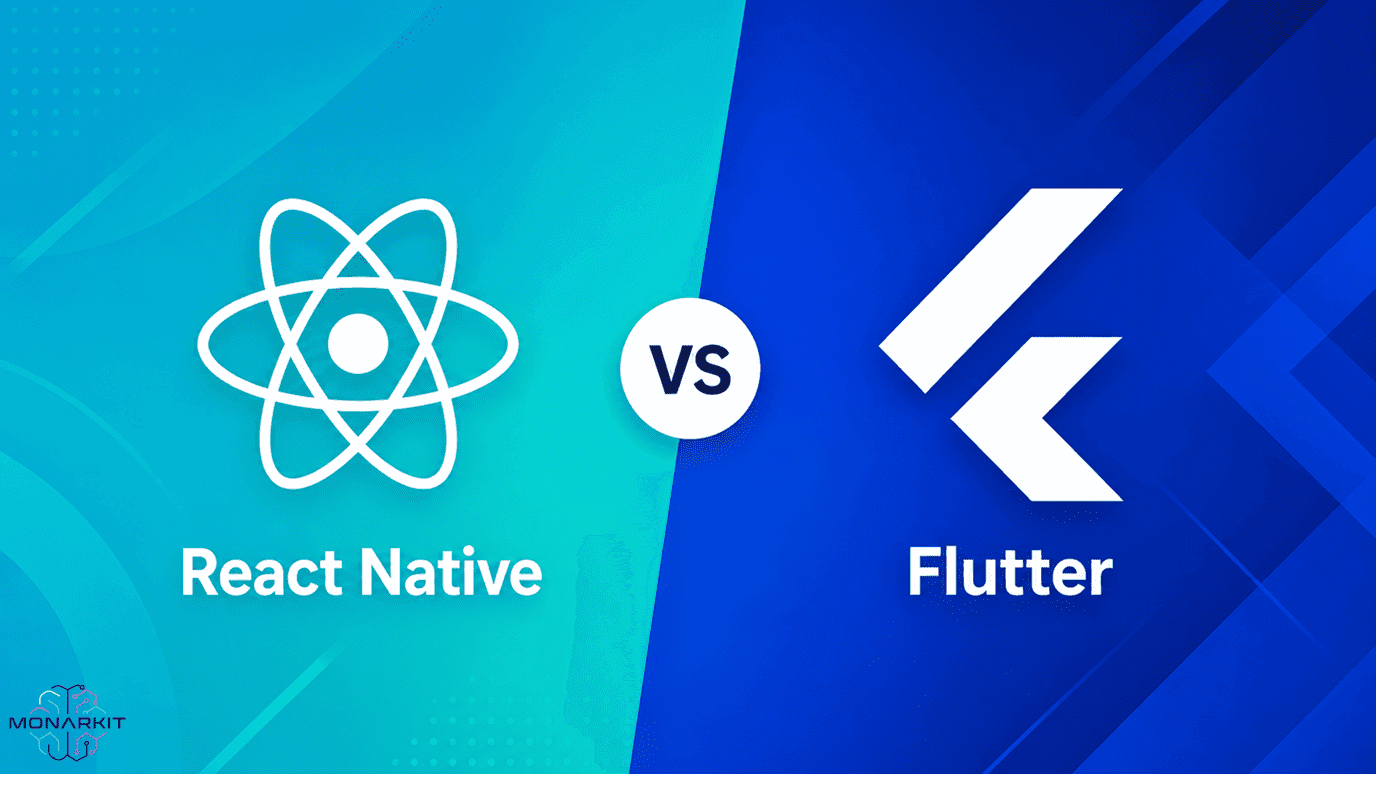
React Native and Flutter both let you build apps for multiple platforms from a single shared codebase. That approach can cut down on duplicated work between iOS and Android, but it doesn't eliminate the need to test on each platform, and it definitely doesn't remove the need for native integrations when things get specific.
The right choice really comes down to your team, your existing technical ecosystem, and the kind of user experience you're aiming for.
React Native: A Natural Fit for a React Environment
React Native is built on JavaScript or TypeScript and leans on the same concepts as React itself. That makes it a pretty natural choice for a team that's already building its web interfaces with React.
That continuity can make a real difference for:
- sharing skills across teams;
- carrying over certain architecture and testing practices;
- letting developers move between web and mobile work more easily;
- integrating with an existing JavaScript ecosystem.
That doesn't mean web code just transfers over to mobile automatically, though. Components, interactions, store requirements, and behaviors specific to iOS or Android still need to be designed and tested in their own right.
Flutter: A Tightly Integrated Interface System
Flutter runs on Dart and comes with a rich set of widgets, rendering tools, and built-in components. It's a strong fit for teams that want to build a consistent interface from one unified environment.
It tends to make sense when:
- the app itself is central to the product, not just a companion piece;
- the interface involves a lot of interaction or animation;
- the team already knows Dart, or is willing to invest in learning it;
- multiple platforms need to share a strong, consistent visual identity.
Just like with React Native, advanced functionality can still require platform-specific code, or packages that need to be carefully vetted before you rely on them.
Side-by-Side Comparison
| Criterion | React Native | Flutter |
|---|---|---|
| Language | JavaScript or TypeScript | Dart |
| Continuity with the web | Strong for a React-based team | A distinct ecosystem, with web support if you need it |
| Building the interface | React components plus platform integrations | Widgets and a built-in rendering system |
| Native functionality | Existing modules, or native development | Existing plugins, or platform-specific code |
| Team skills | Makes sense if your team already knows React | Makes sense if your team knows or is adopting Dart |
| Maintenance | Depends on dependencies, platforms, and team discipline | Depends on packages, platforms, and team discipline |
| Strategic fit | Aligns well with a React-based ecosystem | Aligns well with a consistent, Flutter-driven interface |
The Criteria People Often Overlook
Native Functionality
Bluetooth, payments, advanced camera features, background location tracking, notifications, or connected devices can all require native integration. Build a technical prototype of the riskiest features first, before you lock in your architecture around either framework.
Keeping Dependencies Maintained
A mobile app lives and dies by how well it keeps up with iOS, Android, app store requirements, and third-party libraries. Check how mature the critical packages actually are, and plan for regular updates as a given, not an afterthought.
Accessibility and How People Actually Use the App
An identical interface on both platforms isn't always the right goal. Users on each platform have different habits, and your components need to respect accessibility standards, different screen sizes, and each platform's native navigation patterns.
Testing and Publishing
Sharing code doesn't mean you can get away with testing on a single device. You'll still need unit tests, UI tests, real devices, coverage across different OS versions, and separate publishing workflows for each store.
Choose React Native If
- your team already works with React and TypeScript;
- your web and mobile products share skills or backend services;
- the native modules you need are already available or well understood by your team;
- your hiring strategy leans toward the JavaScript ecosystem.
Choose Flutter If
- your team knows Dart, or wants to build that expertise;
- the app needs a highly consistent, custom-built interface;
- your cross-platform strategy lines up well with what the framework offers;
- you've already validated the critical native integrations you'll need.
What About Native Development?
Swift and Kotlin still make plenty of sense when a product depends heavily on the latest platform-specific APIs, needs deep hardware integration, or already has established native teams in place. Cross-platform is one architectural option among several — not a rule you're obligated to follow.
MONARK IT designs mobile products by evaluating the UX/UI journey, the integrations, and the maintenance picture before ever picking a technology. Learn more about our approach to mobile app development and the steps of a digital project.